How a General Contractor Helps You Save Time and Money During Your Next Build
Engaging a general contractor is often a strategic decision for those starting a construction project. Their expertise assists in navigate common challenges, providing efficient project management and cost control. By overseeing permits, subcontractors, and materials, they reduce the burden on homeowners. Nevertheless, the real benefits go beyond mere convenience. Understanding how a general contractor operates could reveal surprising savings and efficiencies that may transform the entire building experience. What specific advantages may emerge in your project?
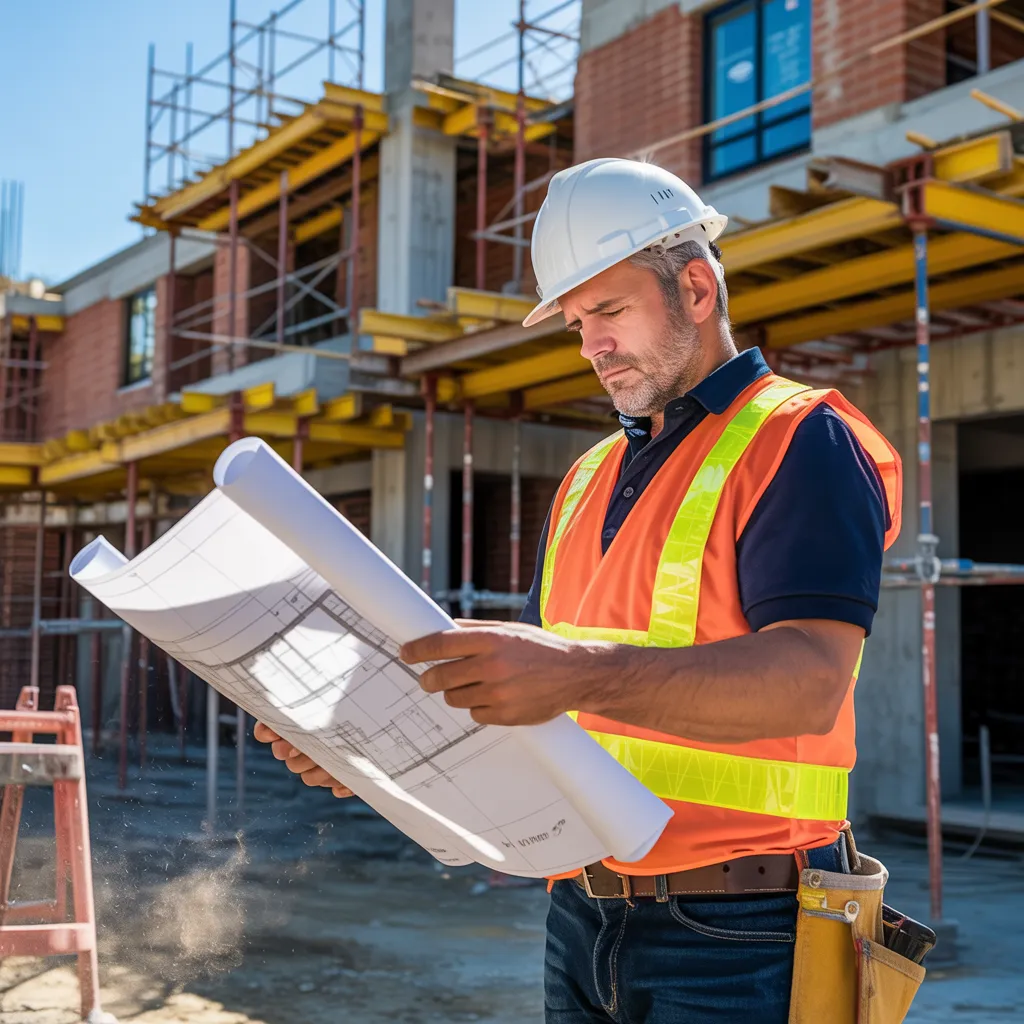
Typical Challenges in Residential Building and How a General Contractor Helps
Building a home can often present a variety of challenges that, if not managed effectively, can lead to significant delays and increased costs. From obtaining permits to coordinating subcontractors, each step requires meticulous attention. Unforeseen issues, such as inclement weather or material shortages, can also disrupt project timelines. Homeowners may face budget overruns due to unforeseen expenses or changes in design.
A general contractor plays an essential role in managing these complexities. By utilizing their industry expertise, they enhance communication pertinent details among different parties and proactively address potential setbacks. Their strong relationships with suppliers can lead to better pricing and availability of materials. In addition, a general contractor maintains compliance with local regulations, lowering the likelihood of costly fines or rework. Finally, their involvement not only elevates operational efficiency but also provides peace of mind, freeing homeowners to focus on the vision for their new space.
Grasping the Role of a General Contractor
A general contractor plays an essential role in the construction process, involving various key responsibilities. Their project management expertise guarantees that timelines and budgets are maintained, while their proficiency in cost negotiation can lead to significant savings. Understanding these aspects can reveal the value general contractors offer to any building project.
Core Duties Clarified
Maneuvering the complexities of a construction project requires a skilled general contractor who orchestrates various elements to deliver success. The general contractor serves as the primary point of contact, coordinating communication between clients, subcontractors, and suppliers. They are responsible for securing necessary permits and ensuring compliance with building codes and safety regulations. Additionally, they oversee project timelines and budgets, making critical decisions regarding resource allocation. A general contractor also monitors the quality of work performed, ensuring that it meets industry standards. By successfully managing these responsibilities, the contractor decreases delays and cost overruns, ultimately streamlining the construction process. Their expertise not only improves efficiency but also adds to the overall success of the project.
Project Management Specialization
Grasping the dynamics of project management is vital for the success of any construction project. A general contractor serves as the primary figure in coordinating multiple aspects of a project, making certain that timelines, resources, and communications align effectively. Their expertise in scheduling helps prevent delays, while their knowledge of regulatory requirements guarantees compliance with local building codes. By overseeing subcontractors and managing on-site activities, they optimize operations and improve productivity. Additionally, general contractors possess the ability to anticipate challenges and implement proactive solutions, decreasing the likelihood of costly setbacks. Their experience fosters a collaborative environment, enabling for efficient teamwork among all parties involved, ultimately leading to successful project completion within budget and on schedule.
Cost Bargaining Strategies
Handling cost negotiations is a vital skill for general contractors, who play a pivotal role in handling project finances. Their expertise allows them to determine the costs of materials, labor, and timelines effectively. By leveraging established relationships with suppliers and subcontractors, general contractors can negotiate better prices and terms, ultimately reducing overall project costs. They employ transparent communication to confirm all parties understand budget constraints and expectations, fostering cooperative negotiations. Additionally, they analyze bids systematically, identifying opportunities for cost-saving without undermining quality. By applying these strategies, general contractors not only enhance financial efficiency but also lessen risks associated with unexpected expenses, confirming that the project remains within budget and on schedule.
Why Hiring a General Contractor Is Worth It?
Hiring a general contractor delivers significant advantages in project management and resource allocation. Their expertise guarantees that projects proceed seamlessly and productively, minimizing the likelihood of costly delays. Moreover, a general contractor can maximize spending by effectively managing resources, eventually leading to savings for the client.
Mastery of Project Management
Overseeing a construction project can be complex, the expertise of a general contractor can significantly streamline the process. General contractors have extensive experience in overseeing multiple aspects of a build, from scheduling to quality control. Their knowledge of industry standards and local regulations allows them to navigate potential pitfalls that may emerge during construction. Additionally, they possess strong organizational skills that facilitate communication among subcontractors, suppliers, and clients. This coordination reduces delays and boosts productivity, ensuring that projects remain on track. Additionally, a general contractor's ability to anticipate challenges enables proactive solutions, ultimately leading to a smoother execution of the project. By leveraging their project management skills, clients can focus on their vision while knowing that the logistics are in capable hands.
Cost-Efficient Capital Assignment
A general contractor's proficiency in project management both improves efficiency and serves an important function in cost-effective resource allocation. By tapping into established networks of suppliers and subcontractors, general contractors can achieve more favorable pricing on materials and labor. Their expertise enables them to recognize possible cost-reduction opportunities during the entire project lifecycle. Furthermore, they can effectively organize tasks to decrease downtime and lower overhead costs, resulting in substantial savings for the client. Strategic budgeting and resource planning additionally improve financial management, guaranteeing that funds are distributed to emphasize essential aspects of the build. In conclusion, engaging a general contractor both simplifies the construction process and maximizes resource utilization, making it a smart investment for any project.
How a General Contractor Helps You Save Money
Engaging a general contractor can substantially decrease project costs through their proficiency in budgeting and resource management. These professionals possess extensive knowledge of materials, labor rates, and industry standards, empowering them to negotiate superior prices with suppliers and subcontractors. Their established relationships often yield discounts that individual clients may not obtain.
Additionally, general contractors can spot potential cost overruns early in the project, permitting timely adjustments. By precisely planning each phase of construction, they decrease waste and secure efficient use of resources. This proactive approach not only aids in remaining within budget but also avoids costly delays.
Furthermore, a general contractor streamlines the procurement process, making sure that materials are obtainable when needed, further preventing unnecessary expenses. In the end, their detailed oversight and strategic planning can lead to significant savings, making them an invaluable asset for any construction project.
Improving Messaging: The General Contractor's Responsibility
Clear communication functions as the foundation of any prosperous construction project, and the general contractor plays a vital role in facilitating this process. By acting as the key point of contact, the general contractor confirms that all parties—clients, subcontractors, and suppliers—are on the same page. They manage schedules, transmit updates, and address concerns, significantly reducing misunderstandings that can result in costly delays.
Moreover, by utilizing advanced communication tools and platforms, general contractors strengthen transparency and facilitate real-time updates on project progress. This proactive approach not only builds trust among stakeholders but also optimizes decision-making processes. Regular meetings and check-ins further support a collaborative environment, permitting issues to be detected and resolved quickly. Ultimately, the general contractor's effective communication strategy fulfills a significant role in keeping the project on track, ensuring that timelines and budgets are adhered to, thereby improving the overall efficiency of the construction process.
Steering Clear of Home Building Pitfalls With a General Contractor
Moving through the complexities of home building requires thoughtful planning and execution, and a general contractor serves as an vital asset in this process. By leveraging their expertise, homeowners can greatly reduce the risk of costly mistakes. General contractors possess extensive knowledge of local building codes, permitting processes, and construction best practices. This understanding helps secure compliance, avoiding potential delays and fines.
Additionally, a general contractor coordinates multiple subcontractors, materials, and schedules, reducing the risk of miscommunication and errors. They can foresee common pitfalls, such as budget overruns and timeline delays, implementing strategies to minimize these issues. Their experience also allows them to identify quality materials and reliable suppliers, further strengthening the project's success. Finally, engaging a general contractor not only optimizes the building process but also protects the homeowner's investment, leading to a smoother, more successful construction experience.
Questions & Answers
What Qualifications Should I Look for in a General Contractor?
When selecting a general contractor, one should give priority to qualifications such as licensing, insurance, experience, references, and strong communication skills. These credentials deliver reliability, effective project management, and conformity to industry standards, eventually influencing project success.
How Do I Establish a Fair Fee for a General Contractor's Services?
To determine a fair fee for a general contractor's services, one should review multiple bids, review the contractor's experience and reputation, and consider the scope of the project while ensuring transparency in the pricing structure.
Is a General Contractor Able to Help With Obtaining Permits?
General contractors are able to assist in obtaining the necessary permits. Their knowledge of local regulations and requirements helps streamline the permitting process, guaranteeing compliance while minimizing possible delays throughout the construction project.
In What Ways Does a General Contractor Manage Subcontractors Effectively?
A skilled general contractor coordinates subcontractors by coordinating schedules, establishing consistent communication, tracking progress, and enforcing quality standards. This oversight promotes collaboration, resolves conflicts, and assures that project schedules and budgets stay on track.
What Occurs if There Are Setbacks Throughout the Building Process?
Building process delays often lead to higher expenses, prolonged schedules, and possible contract penalties. Efficient communication and solution-focused methods are vital for minimizing consequences and ensuring the project stays on schedule regardless of unexpected challenges.